
In today’s unpredictable economic climate, understanding how to manage financial risks in your business is crucial for maintaining stability and growth. Organizations face various challenges, from market volatility to operational failures, necessitating a proactive approach to risk management.
Implementing effective strategies can significantly enhance your business’s resilience against potential financial setbacks. This article will explore various aspects of financial risk management, offering insights on best practices, key strategies, and the role of technology in mitigating risks.
How to identify financial risks in your business?
Identifying financial risks is the first step in developing a robust risk management strategy. Effective risk identification involves analyzing various factors that can impact your business’s financial health.
Some common methods include:



- Conducting a thorough risk assessment to pinpoint potential hazards.
- Utilizing historical data to identify patterns and forecast potential risks.
- Engaging stakeholders for insights on possible financial vulnerabilities.
Every business is unique, so it’s vital to tailor your risk identification processes to suit your specific operational context. This approach not only enhances the accuracy of your assessments but also ensures that you are prepared for potential disruptions.
What are the key strategies for managing financial risks?
Effective risk management involves a combination of strategies tailored to your business’s needs. Here are some of the best practices for managing financial risks:
- Diversification: Spread investments across various sectors to mitigate risks associated with market fluctuations.
- Cash flow management: Maintain a healthy cash flow to ensure you can cover operational costs and unexpected expenses.
- Insurance: Protect your business through appropriate insurance policies that cover various risk factors.
- Regular reviews: Continuously monitor and assess your risk management strategies to adapt to changing circumstances.
These strategies can help build a resilient organization that is better equipped to face financial uncertainties. By proactively addressing potential risks, you can safeguard your business’s financial stability.
How to implement effective financial risk management practices?
Implementing financial risk management practices requires a structured approach. Start by defining clear objectives and establishing risk tolerance levels for your organization.
Next, develop comprehensive policies and procedures that address risk management. Assign roles and responsibilities to specific team members to ensure accountability. This ensures that everyone understands their part in the risk management framework.
Finally, consider leveraging technology, such as cloud-based ERP systems, to streamline risk management processes. These tools can help you monitor financial performance and identify potential risks in real-time, enhancing your decision-making capabilities.
What are the types of financial risks every business faces?
Businesses encounter several types of financial risks that can jeopardize their stability. Understanding these risks is essential for developing effective risk mitigation strategies. Key types include:
- Market risk: The potential for losses due to fluctuations in market prices.
- Credit risk: The risk of a borrower defaulting on a loan or failing to meet contractual obligations.
- Operational risk: Risks arising from internal processes, people, or systems failures.
- Liquidity risk: The danger of being unable to meet short-term financial obligations.
By recognizing these risk types, businesses can create targeted strategies that address specific vulnerabilities, enhancing their overall financial resilience.
How to reduce financial risk in your organization?
Reducing financial risk involves a multifaceted approach that combines effective planning and proactive measures. One of the most effective ways to minimize risk is through diversification. By spreading your investments across different asset classes or sectors, you can buffer against market downturns.
Additionally, implementing strong internal controls is crucial. These controls can help prevent fraud and ensure compliance with financial regulations, thus protecting your organization’s assets.
Another valuable strategy is to engage in continuous education and training for your team. By ensuring that your employees are knowledgeable about potential financial risks and how to mitigate them, you cultivate a risk-aware culture within your organization.
What role do internal controls play in financial risk management?
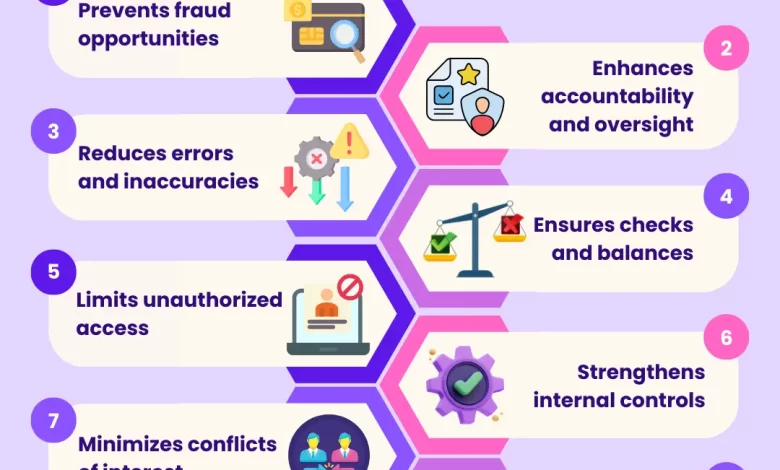
Internal controls are essential for effective financial risk management. They provide a framework for safeguarding assets and ensuring the accuracy of financial reporting. By establishing a robust system of internal controls, businesses can minimize the risk of errors and fraud.
Key internal controls include:
- Segregation of duties: Ensuring that no single individual is responsible for all aspects of a financial transaction.
- Regular audits: Conducting routine audits to assess the effectiveness of your internal controls.
- Access controls: Limiting access to sensitive financial information to authorized personnel only.
These measures not only enhance financial integrity but also promote a culture of accountability within the organization. Regular evaluations of these controls are necessary to adapt to evolving risks.
How to leverage technology for financial risk mitigation?
Technology plays a crucial role in financial risk management. By leveraging tools like AI and analytics, businesses can gain deeper insights into potential risks and trends.
For example, cloud-based ERP systems can integrate various financial functions, providing real-time visibility into financial performance. This allows organizations to identify and address potential risks quickly.
Additionally, utilizing big data analytics can help you forecast market trends and consumer behaviors, allowing for more informed decision-making. The combination of technology and strategic planning can significantly enhance your organization’s ability to navigate financial challenges.
Related questions about financial risk management
How do companies manage financial risk?
Companies manage financial risk through a combination of strategies tailored to their specific needs. This includes conducting risk assessments to identify vulnerabilities, developing risk management policies, and implementing internal controls. Additionally, many organizations leverage technology to monitor financial activities and identify potential threats in real-time.
What are the 4 types of financial risks?
The four main types of financial risks include market risk, credit risk, operational risk, and liquidity risk. Each type poses different threats to businesses, necessitating tailored strategies for effective management. Understanding these risks enables organizations to establish proactive measures to mitigate them.
What are the 5 financial risks?
In addition to the four types mentioned, another significant financial risk is compliance risk. This refers to the potential for financial loss due to violations of laws and regulations. Companies must stay informed about regulatory changes and implement compliance programs to minimize this risk.
What are the four ways to manage risk?
Four effective ways to manage risk include:
- Avoidance: Altering plans to sidestep potential risks.
- Reduction: Implementing measures to reduce the impact of risks.
- Sharing: Transferring risk to another party, such as through insurance.
- Acceptance: Acknowledging the risk and preparing to deal with potential consequences.
These approaches can help organizations effectively manage their financial risks and ensure long-term success.
