
Business expansion is a critical aspect for ensuring long-term growth and profitability. Whether it’s entering a new market, launching innovative products, or pursuing strategic mergers, having the right financing is crucial. This article explores various financing options available and provides insights on how to finance business expansion successfully.
Understanding the various methods of financing can make a significant difference in the success of your expansion efforts. You will learn about the key steps involved, what types of financing are available, and how to prepare your business for successful financing.
Exploring different financing options for business expansion
When considering how to finance business expansion successfully, it is essential to understand the different financing options available to business owners. Each option comes with its own set of benefits and challenges, making it crucial to choose wisely.
Traditional bank loans are among the most common methods of financing. They often provide low-interest rates, but they require substantial documentation and a solid credit history. SBA loans, backed by the Small Business Administration, also offer favorable terms and are accessible for many small businesses.



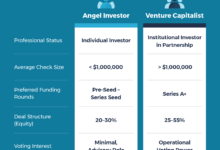
In addition to traditional loans, venture capital is another option that can provide significant funding. However, it typically requires you to give up some control over your business. Alternatively, crowdfunding has emerged as a popular choice that allows you to raise small amounts of money from a large number of people.
- Traditional bank loans
- SBA loans
- Venture capital
- Crowdfunding
- Angel investors
What are the key steps to secure financing for your business expansion?
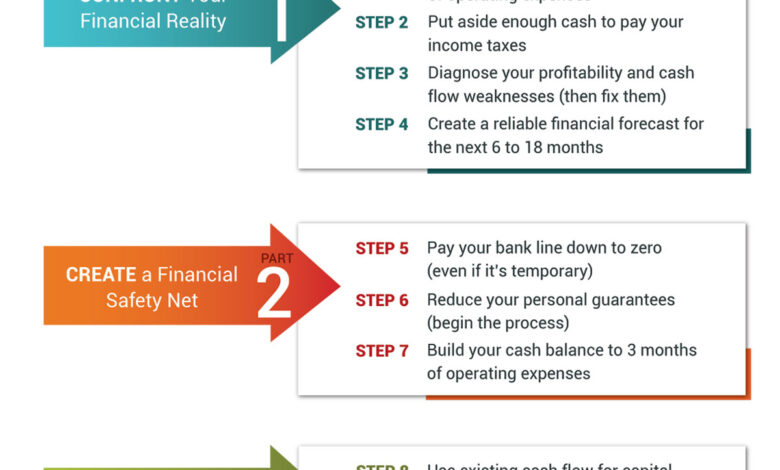
Securing financing is a systematic process that requires careful planning and execution. The first step is evaluating your business’s financial health. This includes analyzing cash flows, existing debts, and overall creditworthiness, which are vital when presenting your case to potential lenders or investors.
The next step involves developing a comprehensive business plan. This plan should detail your expansion strategy, financial projections, and how you intend to use the funds. A well-prepared business plan not only helps in securing financing but also serves as a roadmap for your business’s growth.
Consulting with a financial advisor or a fractional CFO can also provide invaluable insights into the financing process. They can help you identify the most suitable financing options and prepare your business for successful funding.
How does a business finance its operations and expansion?
A business can finance its operations and expansion through various means, each tailored to meet specific needs. Retained earnings are one way businesses fund their growth. By reinvesting profits, a business can avoid taking on new debt.
Additionally, companies frequently use lines of credit to manage cash flow fluctuations. This approach provides flexibility when financial resources are limited. Short-term loans are also an option for businesses looking to address immediate funding needs while awaiting longer-term financing.
Ultimately, the right mix of financing methods will depend on your business’s unique circumstances and goals. Understanding how does a business finance its operations and expansion is key to making informed decisions.
What types of financing are available for business expansion?
There are several types of financing available for businesses seeking to expand. Each type comes with its own characteristics and suitability depending on the business model. Here are some major types:
- Debt Financing: This includes loans and lines of credit that must be repaid with interest.
- Equity Financing: Involves selling a stake in the business to raise capital, often through investors.
- Grants: Non-repayable funds that may be available through government programs or private organizations.
- Factoring: Selling accounts receivable at a discount for immediate cash flow.
Understanding these options is crucial for determining which will best support your business expansion plans. Each financing method offers distinct advantages, whether it’s lower interest rates or no repayment obligations.
How to choose the best financing option for your business expansion?
Choosing the right financing option requires careful consideration of several factors. First, assess your business’s financial health and growth potential. This will help identify which funding source aligns with your business model.
Another critical aspect is determining your funding needs. Are you looking for a large sum for a significant expansion or smaller amounts over time? Short-term loans might suffice for immediate needs, while long-term investments could benefit from equity financing.
Consulting with a financial expert can also provide clarity on the advantages and disadvantages of each option. Their guidance can help you navigate complex financing landscapes and make informed decisions that align with your long-term goals.
What are the benefits and considerations of different financing methods?
Each financing method comes with its own set of benefits and considerations. Debt financing, such as loans, often has lower interest rates but requires repayment regardless of business performance. On the other hand, equity financing through investors provides capital without repayment but leads to shared control over the business.
In contrast, grants are highly beneficial as they do not require repayment, but they can be competitive and challenging to obtain. Each option must be weighed against your business’s current situation and future objectives.
Considering the long-term implications of financing choices is crucial. For example, taking on too much debt can strain cash flow, while giving away equity can dilute ownership control. These factors must be evaluated carefully to ensure the financing supports your growth strategy effectively.
How to prepare your business for successful expansion financing?
Preparation is key when seeking financing for expansion. First, ensure your financial statements are up-to-date and accurately reflect your business’s financial health. This transparency builds trust with potential lenders or investors.
Next, develop a robust business plan that clearly outlines your expansion strategies, projected financials, and intended use of funds. A compelling business plan communicates your vision and demonstrates that you are prepared for growth.
Lastly, consider seeking advice from professionals, such as financial advisors or accountants. Their expertise can help you refine your approach and position your business favorably when pursuing financing options.
Related questions about financing business expansion
How do you finance business expansion?
To finance business expansion, you can explore various options such as loans, equity financing, or crowdfunding. Assess your financial needs and choose the method that aligns best with your overall business strategy. Careful planning and preparation of your business model will significantly enhance your chances of securing the funds needed for growth.
What source of finance is best for expansion?
The best source of finance for expansion largely depends on your business’s specific needs and circumstances. For quick access to cash, short-term loans or lines of credit may be ideal. However, if you are looking for larger sums and are willing to share ownership, equity financing or venture capital could be more suitable options.
How do you finance a growth business?
Financing a growth business typically involves a combination of retained earnings, loans, and investments. Companies often reinvest profits as a primary method, while also exploring financing options such as SBA loans or venture capital to support large-scale growth initiatives.
How to get money to expand a business?
To get money for expansion, start by evaluating your financing options, which may include loans, grants, or equity investments. Prepare a strong business plan and improve your creditworthiness, which can enhance your chances of obtaining the necessary funding. Consulting with financial experts can also provide valuable guidance throughout this process.
