
To secure financing for your small business, understanding the process can be crucial. Whether you are looking to expand your operations or need funds for daily expenses, navigating the loan landscape can be daunting. This guide outlines the essential steps to obtain a small business loan successfully.
Obtaining a loan can be a game-changer for many entrepreneurs, allowing them to pursue growth opportunities and sustain operations. In this step by step process for small business loans, we will cover everything from determining loan types to comparing lenders effectively.
How do I determine what type of business loan I need?
Identifying the right type of loan is fundamental to meeting your business needs. The various options available can cater to different purposes:
- Traditional loans for capital expansions.
- Lines of credit for managing daily expenses.
- Microloans specifically designed for startups.
Evaluate your business’s current situation and future goals. This assessment will help you choose whether you need a lump sum for a significant investment or a flexible line of credit for ongoing operational expenses.

Additionally, consider how much funding you need and for what purpose. A well-defined loan purpose can significantly improve your chances of securing financing.
What are the eligibility requirements for a small business loan?
Understanding the eligibility criteria is crucial when applying for a loan. Common requirements may include:
- Credit score: A good credit history is essential.
- Business age: Lenders often prefer established businesses.
- Revenue and cash flow: Consistent cash flow demonstrates your ability to repay.
Each lender will have its specific set of criteria. It’s vital to check these details before applying. Improving your credit score and preparing financial statements can increase your chances of approval.
Moreover, different types of loans, such as SBA loans, may have unique requirements that you should be aware of. Familiarize yourself with these to ensure you meet all necessary benchmarks.
How can I compare different small business lenders?
Comparing lenders can be a daunting task, but it’s essential for finding the best deal. Consider the following tips when evaluating options:
- Interest rates: Look for competitive rates that fit your budget.
- Loan terms: Review the length of repayment and flexibility.
- Funding speed: Some lenders may offer quicker access to funds than others.
Utilize resources like NerdWallet or LendingTree to compare lender offerings. These platforms can provide insights into the pros and cons of various loan terms.
Don’t hesitate to engage with lenders directly to clarify any concerns or negotiate terms that may work better for your business.
What documentation do I need to apply for a business loan?
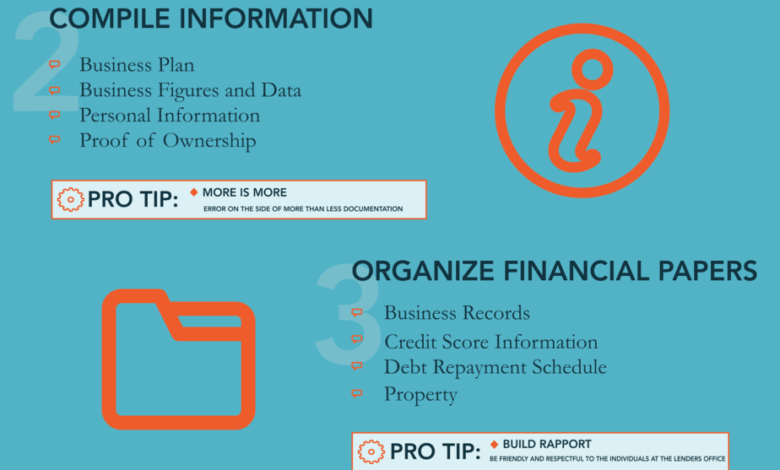
Preparation is key when applying for a loan. A comprehensive small business loan application checklist should include:
- Business plan: This outlines your company’s goals and strategies.
- Financial statements: Include income statements and cash flow projections.
- Tax returns: Typically, lenders will require at least two years of tax returns.
- Legal documentation: This can include articles of incorporation or operating agreements.
Ensure that all documents are up to date and accurately reflect your business’s financial status. The stronger your documentation, the better your chances of approval.
How do I complete the application process for a business loan?
Completing the application process involves several steps. First, gather all required documentation and be prepared to answer questions about your business.
Begin the application by providing general information about your business, including its legal structure and history. Be transparent regarding your financial situation, as lenders will conduct thorough assessments.
After submission, stay engaged with the lender. They may request additional information or clarification, so respond promptly to avoid delays in the approval process.
What should I review before accepting my loan agreement?
Before signing any loan agreement, it’s crucial to understand the terms. Pay attention to the following aspects:
- Interest rate: Ensure it aligns with what you discussed.
- Fees: Look out for any hidden fees that may apply.
- Repayment terms: Understand the payment schedule and any penalties for late payments.
Reviewing these aspects carefully can save you from unexpected challenges later on. If something is unclear, don’t hesitate to ask for clarification from the lender.
What alternatives to small business loans are available?
If a traditional loan isn’t the right fit for you, consider these alternatives:
- Grants: Seek out local or federal grants designed for small businesses.
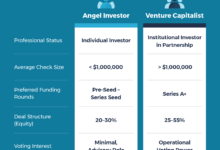
- Equity financing: You may explore venture capital or angel investors.
- Personal savings: Sometimes, using your own funds can be the simplest solution.
Each of these alternatives has its advantages and disadvantages. Evaluate them against your business model and needs to select the most suitable option.
Related questions about obtaining small business loans
Can a start-up LLC get a loan?
Yes, a start-up LLC can obtain a loan, though it may face more stringent requirements than established businesses. Lenders often assess the business plan and the personal credit history of the owners. Demonstrating solid preparation and a clear business strategy can improve approval chances.
What is the easiest SBA loan to get approved for?
The SBA microloan program is often considered one of the easiest options for small businesses. These loans are designed for start-ups and smaller businesses and have fewer requirements than larger SBA loans.
What disqualifies you from an SBA loan?
Factors that can disqualify you from obtaining an SBA loan include having a poor credit score, insufficient collateral, or failing to meet the necessary business size standards. Additionally, if your business is engaged in certain industries, such as gambling or illegal activities, this can also lead to disqualification.
How much down payment is required for a small business loan?
The down payment requirement can vary widely depending on the lender and type of loan. Generally, it can range from 10% to 30% of the loan amount. Be sure to check specific lender requirements for accurate figures.
