
Angel investors play a crucial role in the startup ecosystem by providing the necessary funding for emerging businesses. Knowing how to effectively engage with these investors can significantly impact the success of your startup. This article will outline essential strategies and insights on finding and pitching to angel investors.
What Are Angel Investors?
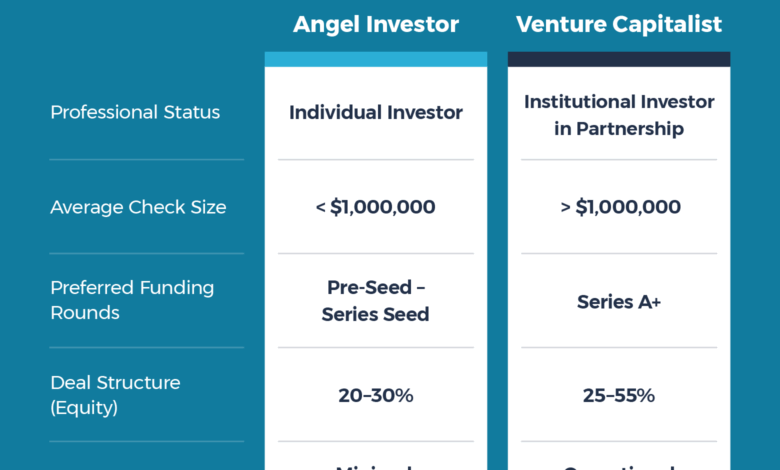
Angel investors are typically high-net-worth individuals who invest their personal funds into startups in exchange for equity or convertible debt. They are often entrepreneurs themselves and seek to support innovative ideas that have the potential for high returns. Investing in startups allows them to leverage their experience and network.
These investors are usually involved during the early stages of a startup, providing not just capital, but also mentorship and advice. This support can be invaluable as startups navigate the complexities of scaling their business. Many startups rely on angel funding due to its availability and flexibility compared to traditional funding methods.
Angel investors often look for startups that demonstrate strong market potential, innovative solutions, and capable founding teams. They tend to focus on sectors they are familiar with, allowing them to assess the business opportunities more effectively.


How Does Angel Investing Work?
Angel investing typically involves the exchange of funds for equity in the startup. This can take various forms, including direct stock purchases or convertible debt, which can later convert into equity if certain conditions are met. This structure provides flexibility for both parties involved.
Once an angel investor is interested in a startup, they usually conduct a thorough due diligence process. This assessment includes examining the business model, financial health, and market opportunities. Successful startups often prepare detailed projections and a comprehensive business plan to facilitate this process.
After due diligence, if both parties agree, they will finalize the investment terms, leading to the transfer of funds. Investors typically expect a return on their investment within a defined period, often ranging from three to ten years, depending on the startup’s growth trajectory.
What Types of Startups Do Angel Investors Support?
Angel investors usually prefer startups that are innovative, scalable, and operate in high-growth sectors. Some common industries they support include technology, healthcare, and consumer goods. They often seek businesses that can demonstrate a clear competitive advantage and robust market demand.
- Technology startups with unique software solutions
- Healthcare innovations that improve patient outcomes
- Consumer products that solve everyday problems
- Green technologies promoting sustainability
- Fintech solutions disrupting traditional banking
These investors are often more willing to take risks on early-stage companies compared to traditional venture capitalists, who may focus more on established businesses. However, they still require a business plan that outlines clear growth strategies and potential market size.
How to Prepare for a Meeting With an Angel Investor?
Preparation is key when it comes to meeting an angel investor. Start by developing a compelling pitch deck that covers all critical aspects of your business. This should include your business model, market analysis, and financial projections. Clarity and conciseness are essential; aim for a presentation that lasts around 20 minutes.
Understanding your audience is equally important. Research the investor’s background, previous investments, and areas of interest. Tailor your pitch to align with their preferences and showcase how your startup fits into their investment strategy.
Additionally, be ready for questions. Investors will likely want to know about your competition, your team’s experience, and how you plan to use the funds. Being transparent and knowledgeable can significantly boost your chances of securing investment.
Common Mistakes to Avoid When Pitching Angel Investors
Pitching to angel investors is a critical process, and avoiding common pitfalls can set your startup apart. One major mistake is failing to articulate a clear value proposition. Your pitch should succinctly convey why your startup is unique and how it addresses a specific need.
Another mistake is providing vague details about how funds will be utilized. Investors prefer specific, actionable plans that demonstrate a clear path to growth. Being overly optimistic or unrealistic in your projections can also raise red flags.
- Neglecting to prepare for questions from investors.
- Underestimating the importance of a professional presentation.
- Focusing too much on the product rather than the market opportunity.
- Failing to establish a connection with the investor.
Strategies for Approaching Angel Investors
Finding angel investors for startup funding requires a strategic approach. Start by leveraging your network; often, personal connections can lead to introductions. Consider attending startup events and pitch competitions where you can meet potential investors in person.
Online platforms can also be invaluable for connecting with angel investors. Websites like AngelList or SeedInvest allow entrepreneurs to showcase their startups to a wide range of investors. Creating a strong online presence through social media and professional networks can help attract attention.
When approaching investors, craft a personalized message that highlights your startup’s unique aspects. Be clear about why you believe they are a good fit for your business, referencing their past investments or interests to establish a connection.
Finally, follow up respectfully after your initial outreach. Persistence is important, but be mindful not to overwhelm potential investors with too much communication.
Related Questions About Funding Strategies
How to pitch to angel investors?
Pitching to angel investors requires a well-prepared presentation that clearly outlines your business idea, market potential, and financial forecasts. Focus on storytelling to engage investors emotionally, while also providing data that supports your claims. Make sure to practice your delivery to maintain confidence and clarity.
How do I pitch my startup to investors?
Your startup pitch should start with a strong hook, followed by an overview of your business model, target market, and competitive landscape. Include specific examples and success stories to illustrate your points. Investors appreciate detailed financial projections and a clear understanding of how their investment will be utilized to achieve growth.
How do I reach out to an angel investor?
To reach out to an angel investor, begin by identifying individuals whose investment interests align with your startup’s mission. Utilize warm introductions from mutual contacts, or leverage professional networking sites. Craft a concise email that conveys your startup’s value and proposes a meeting to discuss potential investment opportunities.
How do I find an investor for my startup?
Finding investors for your startup can involve various strategies. Engage actively in networking events, pitch competitions, and industry conferences to meet potential investors. Additionally, consider using online platforms dedicated to startup funding, where you can present your business to a broad audience of angel investors. Maintaining a professional online presence can also enhance your visibility among investor circles.
