
Small business owners often seek ways to effectively manage their tax burdens while ensuring compliance with ever-changing regulations. Understanding the nuances of tax planning can lead to significant savings and improved profitability.
This article will explore essential small business tax tips to save money and stay compliant, equipping entrepreneurs with the knowledge they need to optimize their tax strategies.
Small business tax planning: 2025 tax saving tips
As we approach 2025, small business owners must stay ahead of tax changes to maximize their savings. One key strategy is to defer income until the next fiscal year, which can reduce current tax liabilities. Additionally, accelerating expenses can also be beneficial, allowing businesses to claim deductions sooner.
It’s important to keep abreast of tax credits that may be available, including those for hiring certain demographics or investing in energy-efficient technologies. These credits can significantly lower taxable income and improve cash flow.


Furthermore, consider establishing a retirement plan for employees, as contributions can be deducted, lowering taxable income. This not only benefits the business financially but also helps attract and retain talent.
- Utilize the 20% pass-through deduction, if eligible.
- Take advantage of tax credits for employee training programs.
- Invest in technology that enhances productivity while providing potential tax advantages.
How can small business owners reduce their tax bill?
To effectively reduce tax bills, small business owners should start by maximizing deductions. Keeping detailed records of all business expenses is crucial, as this allows for comprehensive reporting during tax season.
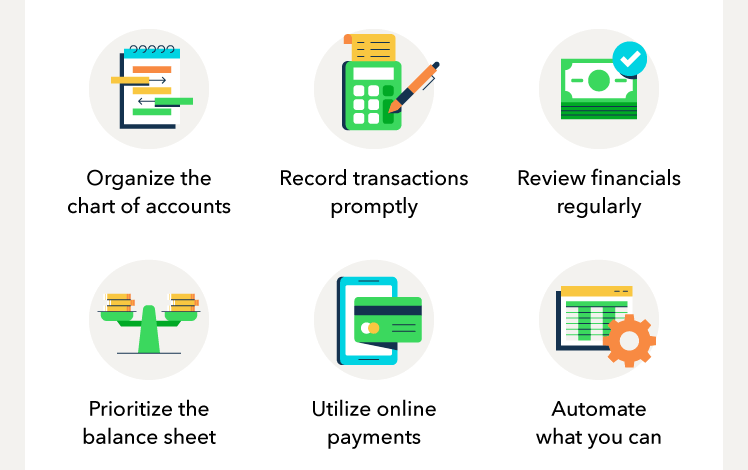
Another effective strategy is to review tax compliance solutions that can automate record-keeping and reporting processes. Utilizing software like QuickBooks or Xero can simplify tax-related tasks and ensure that nothing is overlooked.
Additionally, small business owners should consult with a tax advisor regularly to identify opportunities for tax savings that are specific to their industry. This proactive approach can lead to substantial savings over time.
- Keep organized records for all expenses.
- Consider tax-efficient investments for business profits.
- Consult a tax advisor regularly.
What are the best tax tips for small business owners in 2025?
In 2025, small business owners should focus on adapting to any new tax laws that could impact their operations. One of the best tips is to engage in year-end tax planning, which allows owners to take stock of their financials and make strategic decisions before the year closes.
Understand tax implications for remote employees and ensure compliance with state laws where employees are based. This could involve adjusting withholding taxes or understanding nexus obligations in different states.
It’s also wise to invest in tax compliance software to mitigate errors and streamline the filing process. This investment can save time and reduce the risk of audits, which can be costly and time-consuming.
What tax strategies can help improve small business profitability?
To enhance profitability, small businesses should adopt effective tax strategies that go beyond basic compliance. One strategy is to evaluate estate planning options that can transfer assets efficiently while minimizing tax liabilities.
Another important tactic is to regularly review operational expenses. Identifying where cuts can be made without sacrificing quality can free up capital that can be reinvested into the business or used to cover tax liabilities.
Additionally, small businesses should explore tax credits associated with research and development activities or energy efficiency improvements. These incentives not only support innovation but also provide financial relief.
- Review and adjust pricing strategies based on tax implications.
- Leverage credits and deductions available for business location improvements.
- Evaluate insurance policies for potential tax benefits.
How do tax law changes affect small business owners in 2025?
Tax law changes can significantly impact small business operations. In 2025, owners should stay informed about potential reforms that could affect tax rates and deductions. For instance, changes to the 20% pass-through deduction could influence how business profits are taxed.
Moreover, understanding any shifts in tax credits can help businesses adjust their strategies accordingly. Owners should track these changes closely and adjust financial planning to mitigate negative impacts.
Engaging with tax professionals who are updated on legislative changes is vital. They can provide insights and recommendations tailored to individual business needs, ensuring compliance while optimizing tax positions.
What are the key considerations for small business tax compliance?
Tax compliance is critical for small businesses, and there are several key considerations to keep in mind. First, maintaining accurate records of income and expenses is essential. This includes not only receipts but also invoices and payroll records.
Another consideration is understanding the various forms required for tax filings. Each business type may have different requirements, and being knowledgeable about these can help avoid penalties.
Finally, leveraging technology such as tax compliance software can streamline the process, reduce errors, and save time. These tools can help ensure that businesses remain compliant while maximizing their deductions and credits.
Questions related to small business tax tips
How to reduce taxes on a small business?
Reducing taxes on a small business involves several strategies aimed at maximizing deductions. Keeping meticulous records of all expenses is crucial, as this allows for comprehensive reporting and maximizes potential claims. Additionally, small business owners should regularly evaluate their financial strategies and consider investing in tax compliance software to simplify their tax obligations.
Another effective approach is to engage a knowledgeable tax advisor who can provide insights tailored to the specific business context. This can lead to identifying lesser-known deductions or credits that the business may be eligible for, ultimately reducing the overall tax burden.
How do LLC owners avoid taxes?
LLC owners can avoid excessive taxes by taking advantage of the flexibility in tax treatment offered to LLCs. They can choose to be taxed as a sole proprietorship, partnership, or corporation, depending on which structure minimizes their tax liabilities.
Moreover, LLC owners should ensure they’re correctly categorizing expenses and leveraging any available tax deductions. This includes health insurance premiums, retirement plan contributions, and business travel expenses, which can all reduce taxable income.
What is the most overlooked tax break?
One of the most overlooked tax breaks for small businesses is the 20% pass-through deduction. This deduction allows business owners to deduct up to 20% of their qualified business income, significantly reducing their overall tax bill.
Another frequently missed tax break is the deduction for home office expenses. Many small business owners operate from home and may not realize the extent to which they can deduct related expenses, including utilities, insurance, and maintenance costs.
How much does a business tax write-off save you?
The savings from business tax write-offs can vary widely based on the type of expense and the owner’s tax bracket. Generally, a write-off reduces the taxable income, which in turn lowers the overall tax liability based on the tax rate applicable to that income.
For instance, if a small business owner has a $10,000 write-off and is in a 25% tax bracket, this could lead to a tax savings of approximately $2,500. Understanding how to strategically utilize deductions can enhance cash flow and reinvestment opportunities for the business.
