
Disability insurance is a crucial safety net that many people overlook. It ensures that you have financial support when an unexpected illness or injury prevents you from working. Understanding how this type of insurance works can significantly impact your financial stability.
This article will explore the intricacies of disability insurance, helping you comprehend what is disability insurance and do you need it? By the end, you should have a clearer picture of whether this insurance is a necessary part of your financial planning.
What Is Disability Insurance?
Disability insurance is a type of coverage that replaces a portion of your income if you become unable to work due to illness or injury. It provides essential financial support during challenging times, allowing you to cover your living expenses and maintain your quality of life.
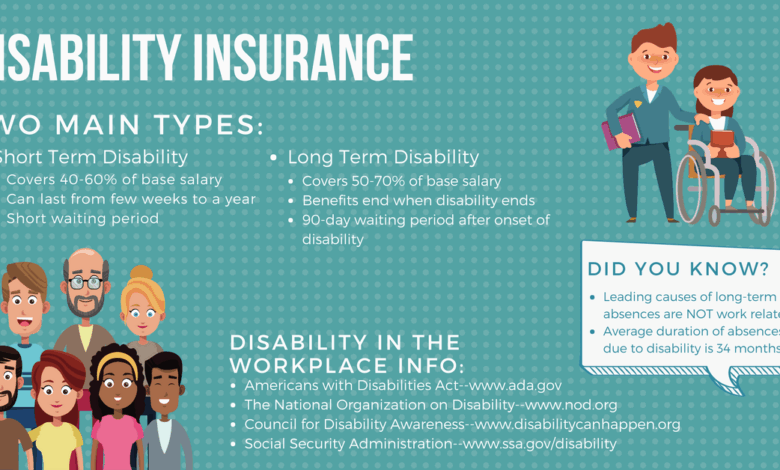
This insurance typically comes in two forms: short-term and long-term. Short-term disability insurance usually covers you for a few months, while long-term disability insurance can provide benefits for years, depending on the policy terms.


Disability insurance can be obtained through employers or purchased privately. Understanding the specifics of your coverage is vital, as the terms and conditions can vary widely between different policies.
How Does Disability Insurance Work?
Disability insurance works by providing you with a percentage of your income if you are unable to work. Generally, you can expect to receive between 50% to 70% of your pre-disability income. After a waiting period, known as the elimination period, payments will begin.
This elimination period can range from a few weeks to several months, depending on your policy. During this time, it’s essential to have alternative financial resources, as you won’t receive any benefits until the waiting period is over.
- The benefits can last from a few months to several years, depending on the policy.
- Many policies include a «rehabilitation benefit» to assist you in returning to work.
- Payments are typically made monthly, helping you manage ongoing expenses.
What Does Disability Insurance Cover?
Disability insurance can cover a wide range of conditions that impact your ability to work. This includes both physical disabilities and mental health conditions. Coverage typically extends to:
- Injuries from accidents
- Chronic illnesses like cancer
- Mental health disorders such as depression and anxiety
While disability insurance offers considerable protection, it often excludes certain scenarios. For example, injuries sustained while committing a crime or self-inflicted injuries may not be covered. Understanding these nuances is vital for anyone considering such insurance.
What Are the Two Different Types of Disability Insurance?
The two main types of disability insurance are short-term and long-term disability insurance. Each serves a distinct purpose and can be beneficial depending on your personal situation.
Short-term disability insurance usually provides coverage for a few months, ideal for those who may need time to recover from a temporary illness or injury. It typically kicks in after a short waiting period and is often offered through employers.
Long-term disability insurance is crucial for those who face a more extended recovery. It can provide benefits for several years or even until retirement age, making it essential for financial planning. Understanding the differences between these two types can help you choose the right coverage.
How Long Will I Get Payments?
The duration of benefit payments depends on the type of disability insurance policy you have. Short-term policies typically pay benefits for a limited time, often between three to six months. On the other hand, long-term policies may continue to provide payments for years or until you reach retirement age.
It’s essential to review your policy documents to understand how long you can expect to receive benefits. The terms will specify the maximum benefit period, which can help you plan your finances accordingly.
How Do You Get Disability Insurance?
You can obtain disability insurance through various channels. Many employers offer group disability insurance plans as part of their benefits package. This can be a cost-effective way to secure coverage, as group plans often have lower premiums.
If your employer doesn’t offer coverage or you want additional protection, you can purchase private disability insurance. When choosing a policy, consider factors such as coverage limits, elimination periods, and the insurer’s reputation.
It’s advisable to consult with a financial advisor to help you assess your needs and find the best policy for your circumstances.
What Are the Alternatives to Disability Insurance?
While disability insurance is a valuable tool for income protection, several alternatives can provide financial support if you are unable to work. Some of these options include:
- Social Security Disability Insurance (SSDI): A government program that provides benefits to individuals who are unable to work due to a disability.
- Paid sick leave: Some employers offer paid sick leave, which can cushion the financial blow of a temporary disability.
- Health savings accounts (HSAs): These accounts allow you to save money tax-free for medical expenses, which can be beneficial during recovery.
Evaluating these alternatives can help you form a more comprehensive financial strategy, especially in conjunction with disability insurance.
Questions related to disability insurance
Do I really need disability insurance?
Whether you need disability insurance depends on your personal circumstances. If you rely heavily on your income to support yourself or your family, then having disability insurance can provide critical financial security. It acts as a safety net in case of unforeseen events.
Moreover, if your savings are not substantial enough to cover several months of expenses, disability insurance becomes even more vital. Consider your job stability, health, and financial obligations to determine if it’s a necessary investment.
How does disability insurance work?
Disability insurance works by providing a portion of your income in the event that you are unable to work due to a disability. After a predetermined elimination period, payments begin, generally covering a percentage of your regular earnings.
The specifics can vary by policy, including the length of coverage and the exact percentage of income replaced. Understanding these factors can help you choose a policy that meets your needs.
What are the cons of disability insurance?
While disability insurance offers numerous benefits, there are also some downsides to consider. One of the main drawbacks is the cost; premiums can be high, depending on your age and health status.
Additionally, many policies have exclusions or specific conditions that limit coverage. It’s essential to read the fine print to ensure you understand what is and isn’t covered.
How much social security disability will I get if I make $60,000 a year?
The amount you receive from Social Security Disability Insurance (SSDI) varies based on your lifetime earnings. Generally, if you are earning $60,000 annually, you may qualify for a monthly benefit of approximately $1,200 to $2,100, depending on your work history and contributions to Social Security.
It’s important to apply for SSDI and understand that the approval process can take time. Consulting with a financial advisor or an attorney specializing in Social Security can help you navigate this complex process more effectively.
